Construction sector
A website that proves your know-how before the tender.
In construction, clients first check your completed projects, your qualifications and whether you cover their area. We build the site around that proof — projects, trades, teams — and keep quote or tender enquiries simple, whether visitors arrive through local search or a public contract.
In-house products and delivered sites





What's your profile?
Expertise adapted to your business
Goal
Win tenders and projects by showing comparable completed work.
Audiences
Project owners, developers, architects, engineering firms.
Key pages
Trades, projects, references, certifications, coverage areas, team, contact.
Conversion
Quote request, reference dossier download, contact.
Web challenges
The challenges specific to your sector
A construction website plays three roles at once: a showcase of references, proof of compliance and a commercial entry point. These are the challenges we see most often.
Show projects without diluting them
Problem
Photo galleries with no location, client or constraints give no sense of your expertise. Visitors cannot tell whether the work resembles their own project.
Solution
We set up comparable project pages: context, constraints, work done, result, with quality visuals and verifiable information.
Indicator
Project page views, time on page, enquiries that mention a specific project.
Prove qualifications and insurance
Problem
When certifications sit in the footer or a PDF brochure, buyers cannot check that they cover the contract they are preparing.
Solution
We create a page per qualification, with the scope covered, the trades involved and the documents available on request.
Indicator
Document downloads, full dossier requests, incoming questions about qualifications.
Cover areas and public contracts
Problem
Local searches often land on a single page listing every town, with no dedicated content and no nearby project to show.
Solution
We build pages per service area with local projects and teams, plus a dedicated page for the tender process.
Indicator
Local search rankings, traffic per area, enquiries from tender pages.
Details that make the difference
What Synara does that others don't
A photo gallery with no location, client or context.
Project pages that give the location, constraints and result.
Certifications mentioned in the footer, never explained.
Each qualification gets its own page, with scope and documents.
The same contact form for a homeowner and a public tender.
Enquiries qualified by project type and type of client.
Coverage areas announced vaguely, with no nearby project.
Explicit areas, linked to projects and local teams.
Expertise
Our expertise at the service of your sector
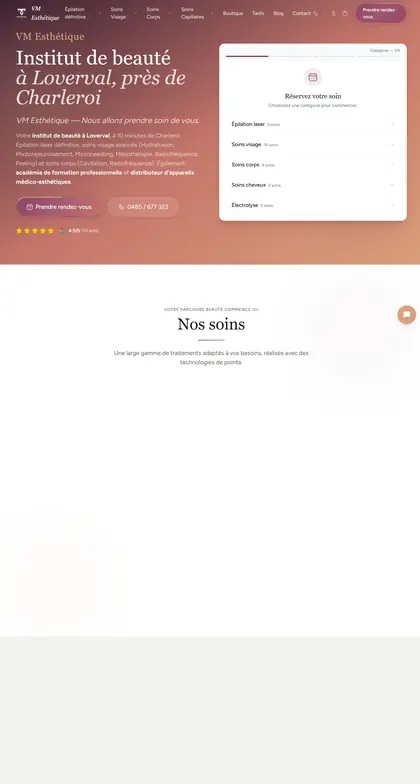
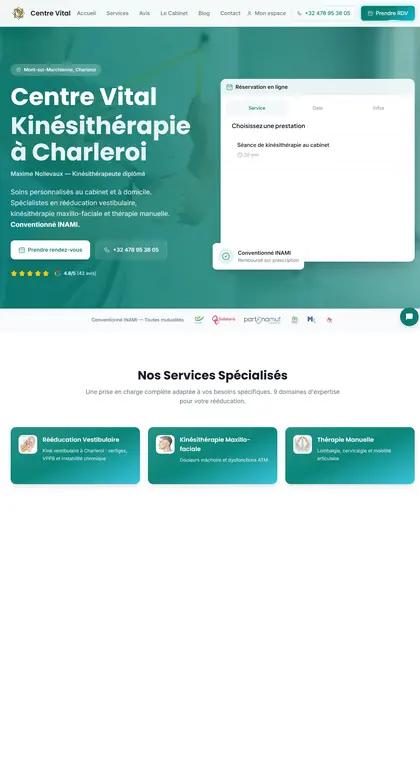
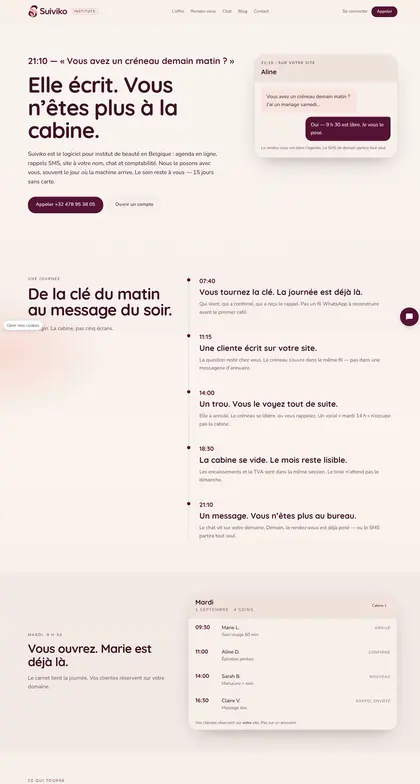
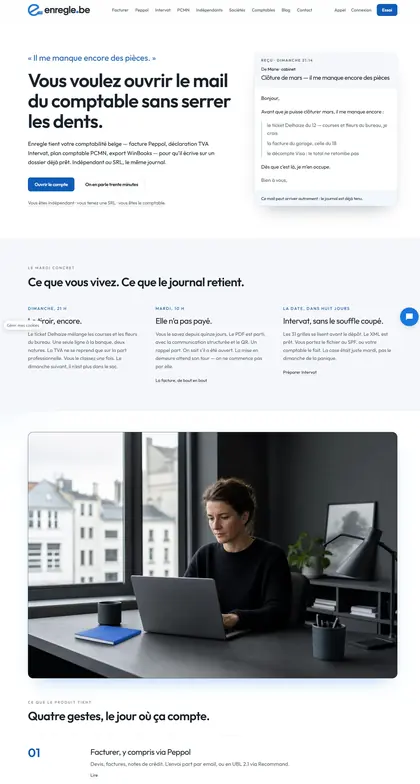
In Belgium
How your customers choose you
In Belgium, a client preparing a project or a public contract first checks whether the company has already delivered something comparable. They look at the nature of the work, the size of the projects, the deadlines met and the ability to work with an architect or an engineering firm. Qualifications and insurance count as much as photos, because they determine access to certain markets. On site, reputation is built on site cleanliness, respect for the schedule and how unexpected issues are handled. Private clients mainly look for someone who answers and explains the steps. In bilingual municipalities, communication with authorities can switch from one language to the other. The site should therefore bring together verifiable proof, located references and a direct contact, rather than a gallery of anonymous images.
What they type into Google
- main contractor charleroi
- construction company namur
- roof renovation brussels
- structural work wavre
- construction firm liège
- bricklayer tournai
In practice
What we set up for you
- Located project pages, with the type of contract, the constraints and the result.
- A page per qualification, stating the scope covered and the documents available.
- Pages per service area linked to projects and local teams.
- A dedicated page on the tender procedure and the documents to supply.
- A form that distinguishes private clients, professionals and public contracts.
Let's talk about your projects: half an hour to see which references deserve to be brought forward.
Book 30 minutesQuestions
Before you write
Can we publish projects that are still under way?
Yes, with the client's agreement and dated information. A project page kept up to date can even become a useful information channel for neighbours and partners.
How do you handle several trades and several offices?
We start from what you actually do: one entry per trade, pages per area only where there is real content, and a consistent contact page. We avoid creating empty pages just to cover towns where you do not work.
Should the site include a section for tenders?
It depends on your clients. For public contracts, a page that describes the process, the required documents and response times saves time on both sides.
How do we present a project without revealing the client's name?
Describe the building type, the municipality, the programme and the constraints, without precisely identifying the client. Photos can be framed to avoid a recognisable address. When permission exists, naming the client strengthens the proof; otherwise, a factual, dated page remains convincing and avoids any confidentiality problem. We can also blur signage, avoid overly precise aerial views and publish a street photo rather than a view showing the whole site footprint.
Do we need a page for each certification?
A page per certification that matters for the target market, yes: it explains the scope covered, the work involved and the available proof. The others can stay in a shared list. The aim is not to pile up logos, but to let a buyer quickly check that you meet the requirements of their file. A short sentence on validity and scope prevents misunderstandings, especially when several qualifications look alike.
How do we keep the service areas up to date?
Start from a short list based on jobs actually completed and the teams' capacity. A service area page only makes sense if it contains local references and an identifiable team. Revise it when activity changes, rather than multiplying towns to fill a search optimisation checklist. We can also list the municipalities you cover occasionally, with a clear note, rather than creating a misleading page for each.
Explore other sectors
See all sectorsHospitality
Rooms, services, destination and special offers in a journey that drives direct bookings.
Web3
Use cases, tokenomics and documentation made clear to reassure users and partners.
Events
A striking visual world, an easy-to-explore programme and direct access to ticketing.
Manufacturing
Product ranges, certifications and applications tied to quote requests, without drowning buyers in detail.
Law firm
Practice areas presented clearly and soberly, quickly guiding every client to the right contact.
Transport & logistics
Destinations, capacity, lead times and handling structured all the way to a quote request.


Let's get started!
Let's get down to business.
Tell us where you stand — we reply within 24 hours with a free first review.


Get ready:you're going to love it.
 you're going to love it.